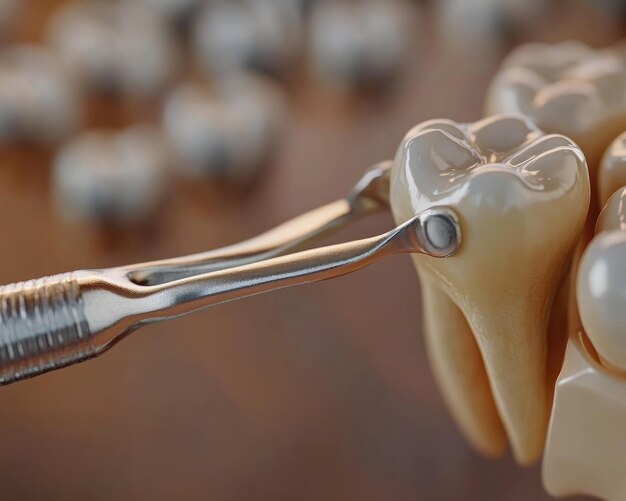
While it is always preferable to save a tooth, there are times when removal is necessary. Severe decay, infection, damage, or discomfort from wisdom teeth can make a tooth too difficult to restore.
At Dental Matters, tooth extraction and wisdom tooth removal are carried out with care to ensure your comfort and support the long-term health of your smile.
When is tooth extraction needed?
Tooth extraction may be necessary for several reasons, including:
- A tooth that is too decayed or damaged to be saved
- An impacted tooth that is causing pain or infection
- Overcrowding, to make space for braces or other dental treatments
- A broken or fractured tooth that cannot be restored
- An infection that has spread to the tooth root and cannot be treated with antibiotics
Wisdom teeth are commonly removed when they become impacted, grow at an angle, or create pressure against surrounding teeth.
If you are experiencing pain or discomfort from a tooth or the back of your mouth, the best first step is to schedule a consultation. This will help determine if extraction is the right option.
When should wisdom teeth be removed?
Wisdom teeth may need to be removed if they cause any issues, such as pain or crowding. It is important to look out for the following symptoms:
- Pain or discomfort in the back of your mouth
- Infection or gum inflammation around the tooth
- Damage to neighbouring teeth or misalignment of your bite
- Difficulty fully emerging or becoming impacted (stuck below the gumline)
If you experience any of these symptoms, it is advisable to consult with Dr Faraaz Mathir to determine if extraction is needed.
What is the tooth extraction process like?
Tooth extraction is a straightforward procedure that is typically completed in a single visit. Here is what you can expect:
- Examination and planning: Your dentist at Dental Matters will assess the tooth and may take X-rays, especially for wisdom teeth
- Numbing: The area around the tooth will be numbed to ensure you feel no pain during the procedure
- Extraction: The tooth is gently removed. In some cases, stitches may be needed to support healing
- Aftercare instructions: You will receive clear guidance to help your recovery
Some extractions are simple, while others, such as impacted wisdom teeth, may require more detailed planning.
How should you care for your mouth after an extraction?
After the procedure, you will be given specific instructions to ensure a smooth recovery and healing process. Some key steps include:
- Rest for the first 24 hours
- Avoid drinking through a straw to prevent dislodging the blood clot
- Take prescribed pain relief if necessary
- Gently rinse your mouth with warm salt water after 24 hours
- Avoid eating hard, crunchy, or hot foods for a few days
A follow-up appointment at Dental Matters may be scheduled to ensure healing is progressing well.
Why should you act quickly?
If a tooth is causing pain or discomfort, delaying treatment can lead to infection or additional complications. In the case of wisdom teeth, untreated issues can also affect neighbouring teeth and lead to crowding or ongoing inflammation. Removing the tooth promptly can reduce these risks and help restore your oral health.
If you need a tooth extracted or are experiencing discomfort from your wisdom teeth, contact Dental Matters to schedule a consultation. Early treatment can prevent further issues and help maintain your smile's health.
Aftercare and Recovery
Following any extraction, Dr Mathir will provide thorough written and verbal aftercare instructions to help you heal comfortably. Most patients recover well within a few days. If you experience prolonged bleeding, severe pain, or signs of infection, please contact the practice promptly.
Book a Consultation